2026 Interior Design Trends for the Tri-Valley
As we move into 2026, homeowners in the East Bay Area and Tri-Valley are embracing interiors that are more personal, comfortable, and intentionally designed for modern living. The way we use our homes has evolved dramatically over the past few years, spaces are no longer just for sleeping, dining, or working; they are multifunctional environments where wellness, creativity, and connection all coexist.
Interior design trends in 2026 reflect this shift. Gone are the days when a home needed to make a statement solely for visitors or social media. Today, design prioritizes how a space feels, supports its inhabitants, and tells a story unique to them. For East Bay Area and Tri-Valley residents, this means a mix of warmth, texture, and flexibility that mirrors the lifestyle of these vibrant communities.
Below, we dive into the top interior design trends that are transforming homes in 2026.
Personalized Spaces & Narrative Maximalism
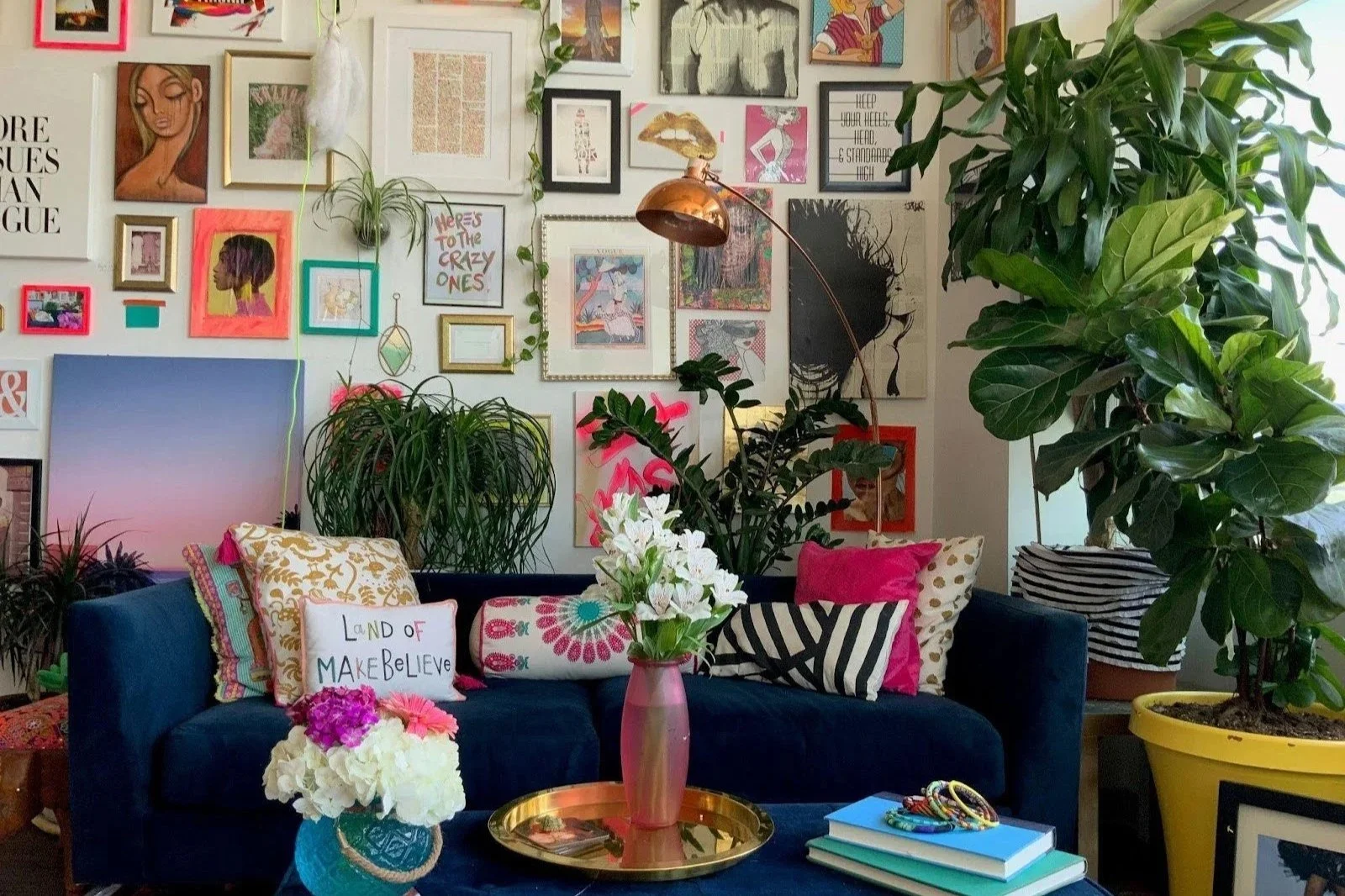
Key Idea: Homes reflect personal stories, memories, and collections rather than generic styling.
In 2026, interiors are becoming highly personal, telling the story of the people who live there. This trend, often called narrative maximalism, prioritizes spaces that feel lived-in and emotionally rich. Think heirlooms, vintage furniture, and meaningful decor arranged over time rather than meticulously curated.
How to Bring It to Life:
Mix mid-century pieces with family heirlooms for layered textures.
Incorporate personal artwork, photos, or travel souvenirs to create depth and character.
Embrace imperfections; a slightly worn rug or antique chair adds warmth and authenticity.
Color Trends: Earthy, Atmospheric, and Mauve Accents
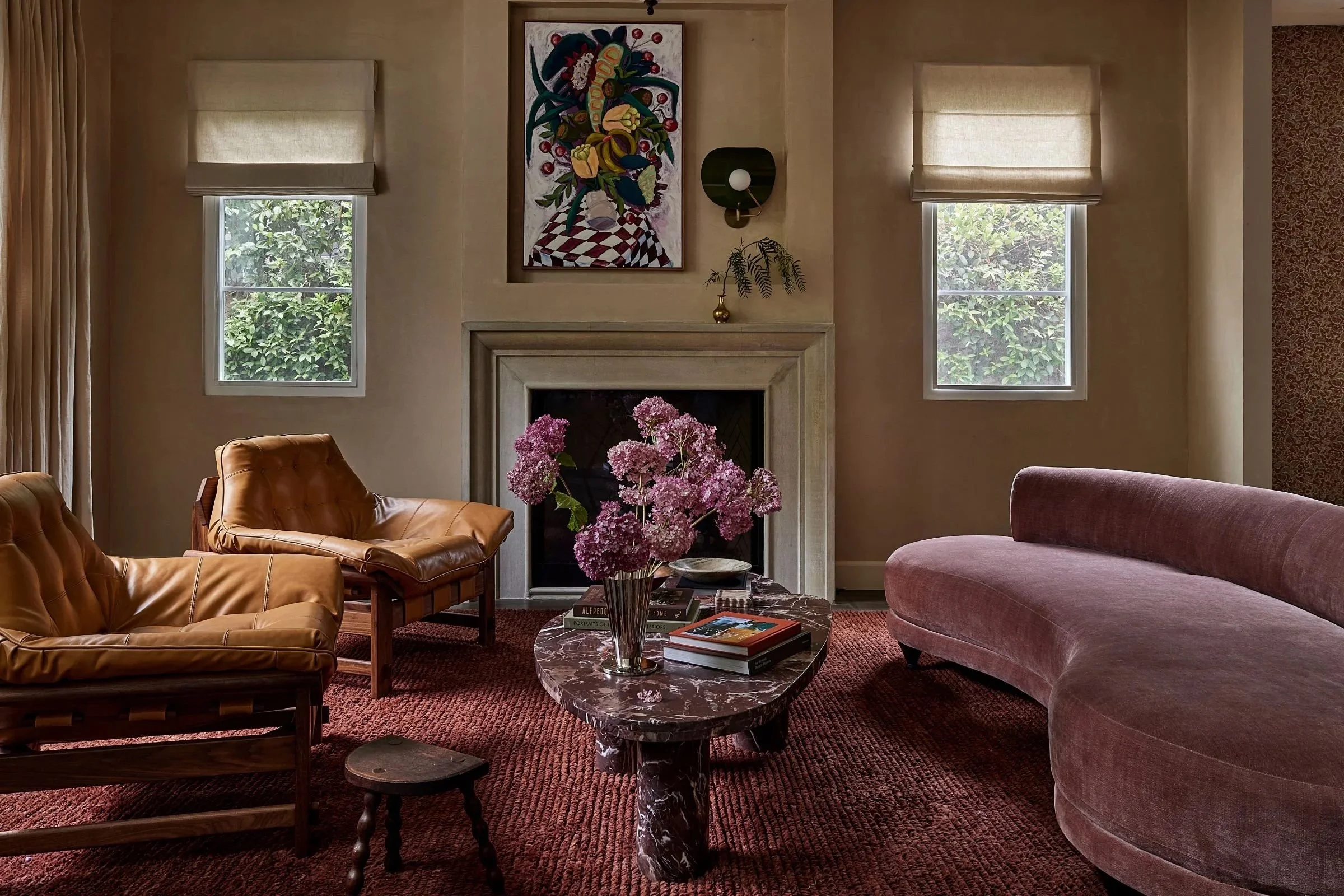
Key Idea: Color sets the mood, creates continuity, and reflects personality.
Gone are the days of “sad beige.” 2026 favors earthy vibrancy, atmospheric color palettes, and grounded mauve tones. Designers are combining related colors across walls, textiles, and furniture to create spaces that feel cohesive and emotionally resonant.
Popular Color Directions in 2026:
Earthy neutrals: Umber, deep browns, espresso, olive greens for grounding spaces.
Chromatic atmospheres: Layers of related colors to create subtle depth and mood.
Mauve accents: Sophisticated purples acting almost as a neutral with personality, especially in textiles and patterns.
How to Apply:
Paint walls, ceilings, or trim with coordinated tones.
Introduce mauve or earthy colors through upholstery, rugs, or accent furniture.
Layer textures to avoid flatness and add tactile interest.
Suite-Style Bedrooms & Recovery Spaces
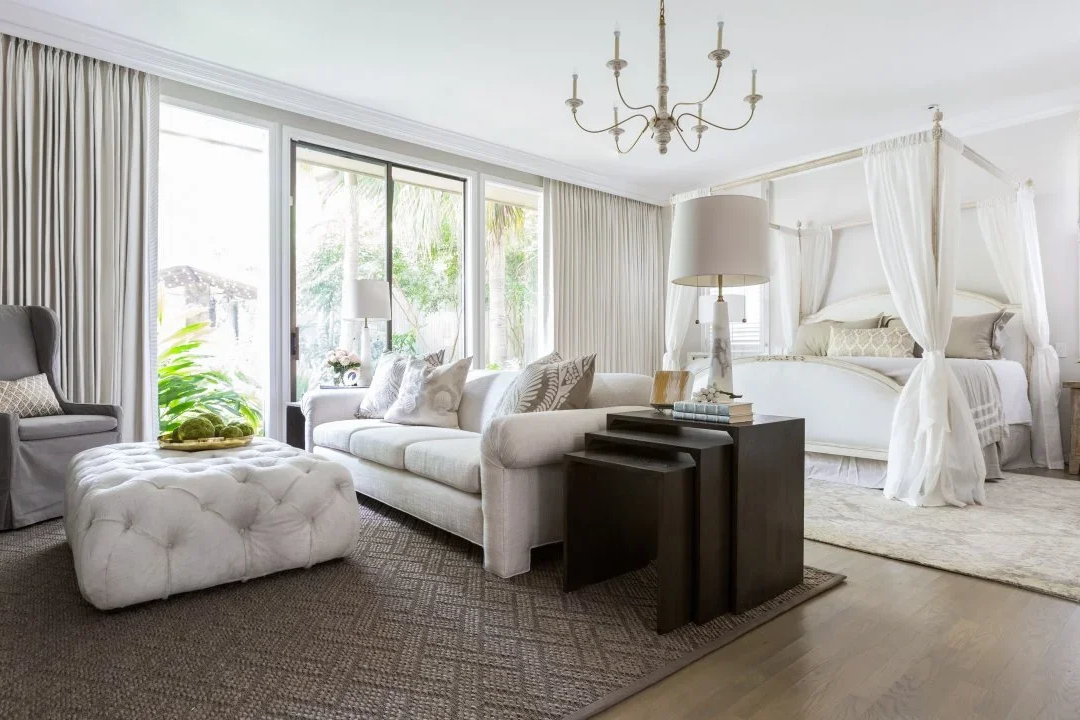
Key Idea: Bedrooms are no longer just for sleeping, they are retreats for rest and wellness.
Suite-style bedrooms are becoming the norm in East Bay Area and Tri-Valley homes. Designers are incorporating lounge zones, reading nooks, and wellness areas into primary bedrooms. Similarly, dedicated recovery rooms are gaining traction, offering at-home spaces for meditation, stretching, or steam/cold therapy.
How to Bring It to Life:
Place a chaise or small sofa in the corner of the bedroom for quiet reading or relaxation.
Incorporate a dedicated wellness space with light, ventilation, and natural materials.
Minimize screens to create restorative, technology-free zones.
Pattern Remixing
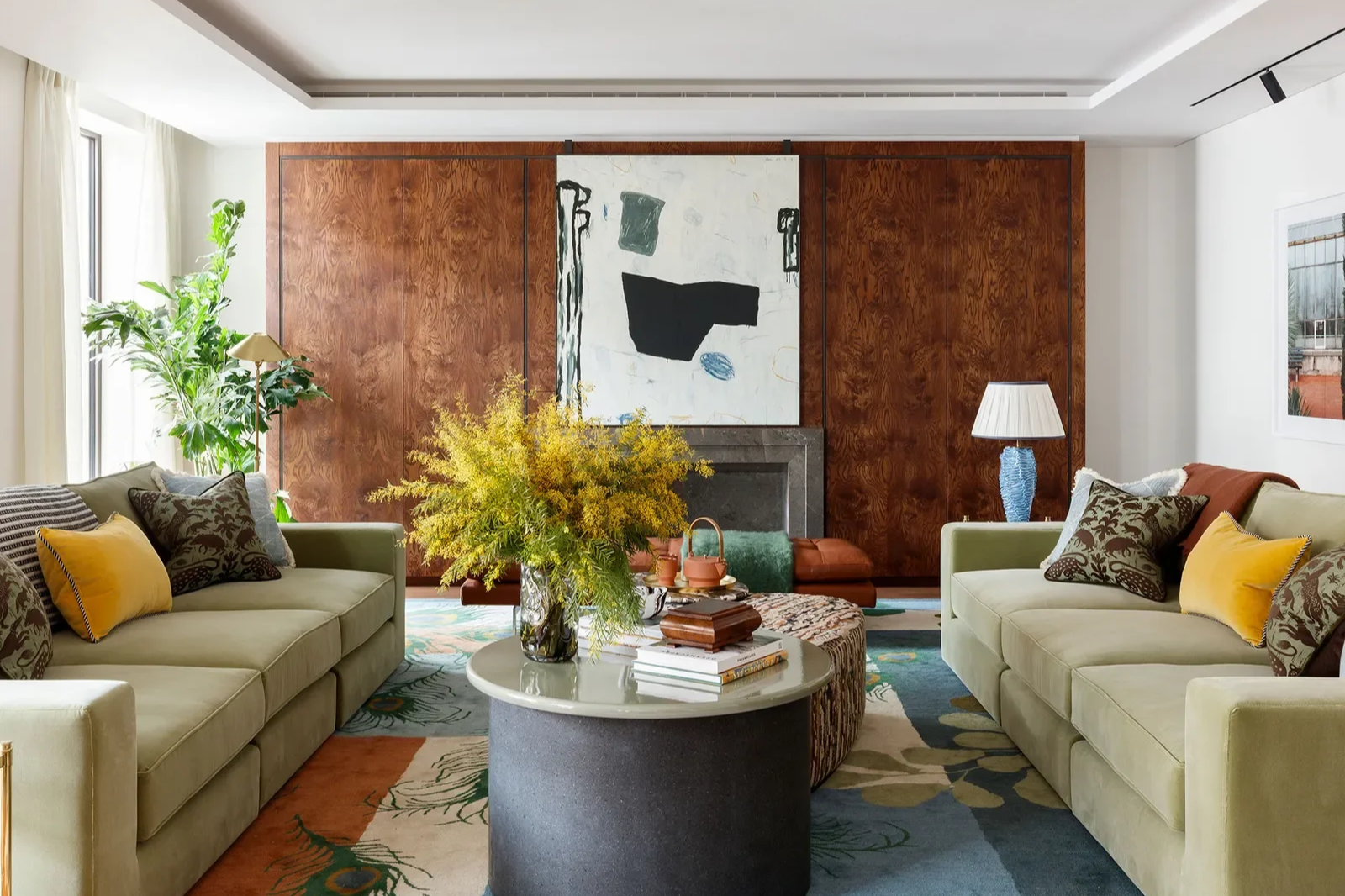
Key Idea: Mixing patterns creates layered, collected interiors without visual chaos.
Pattern mixing is making a comeback, but in a controlled, intentional way. Florals, plaids, stripes, and geometrics are combined within cohesive color palettes, giving rooms a sense of depth and energy.
How to Apply:
Start with one lead pattern, like a floral sofa or drapery.
Layer smaller patterns in complementary colors.
Use solids as breathing spaces to prevent visual overload.
Soft Partitions & Space-Shaping Drapes
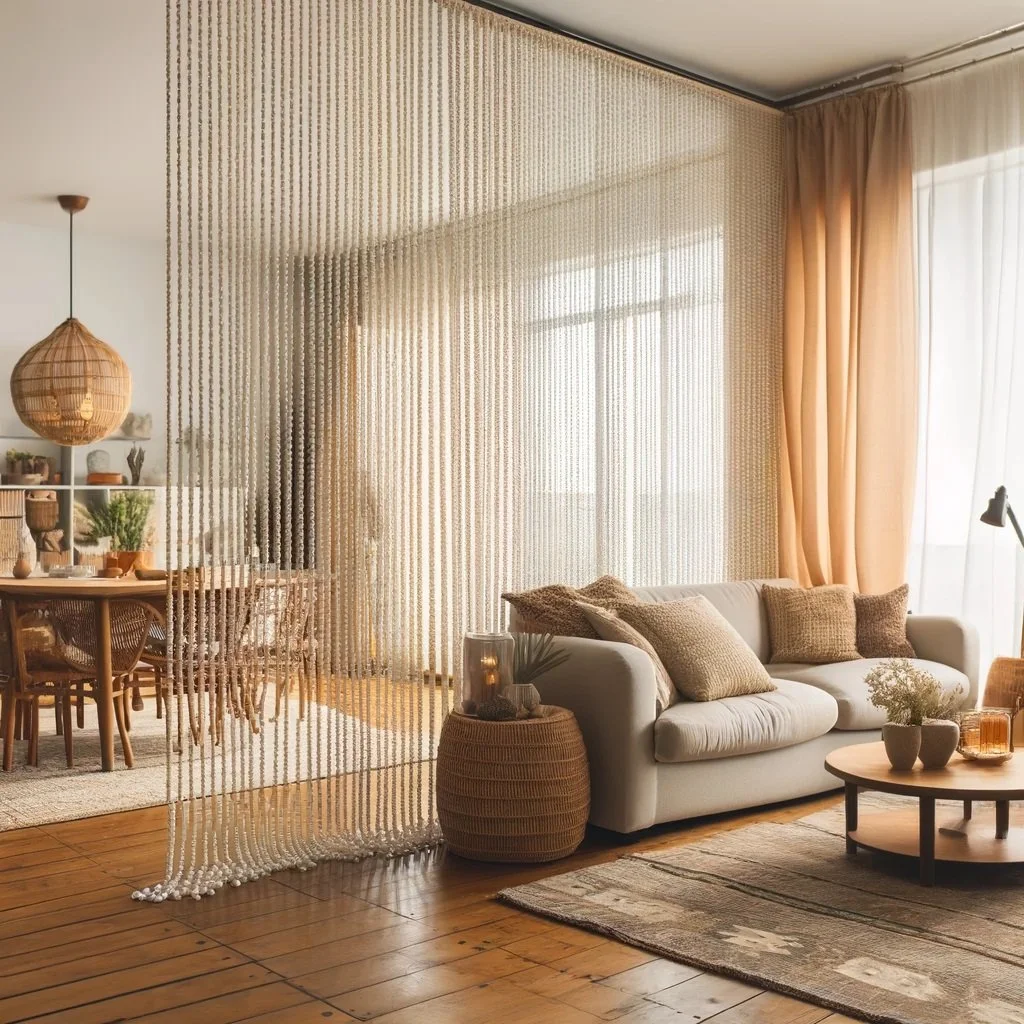
Key Idea: Fabric, not walls, creates privacy and defines spaces.
Rather than rigid partitions, 2026 interiors favor floor-to-ceiling drapery, fabric panels, and soft partitions. These elements provide flexibility, privacy, and a soft, tactile layer to rooms.
How to Apply:
Use ceiling-mounted tracks for a seamless look.
Choose textiles that complement your color palette.
Create zones without cutting off natural light or flow.
Alfresco-Inspired Interiors
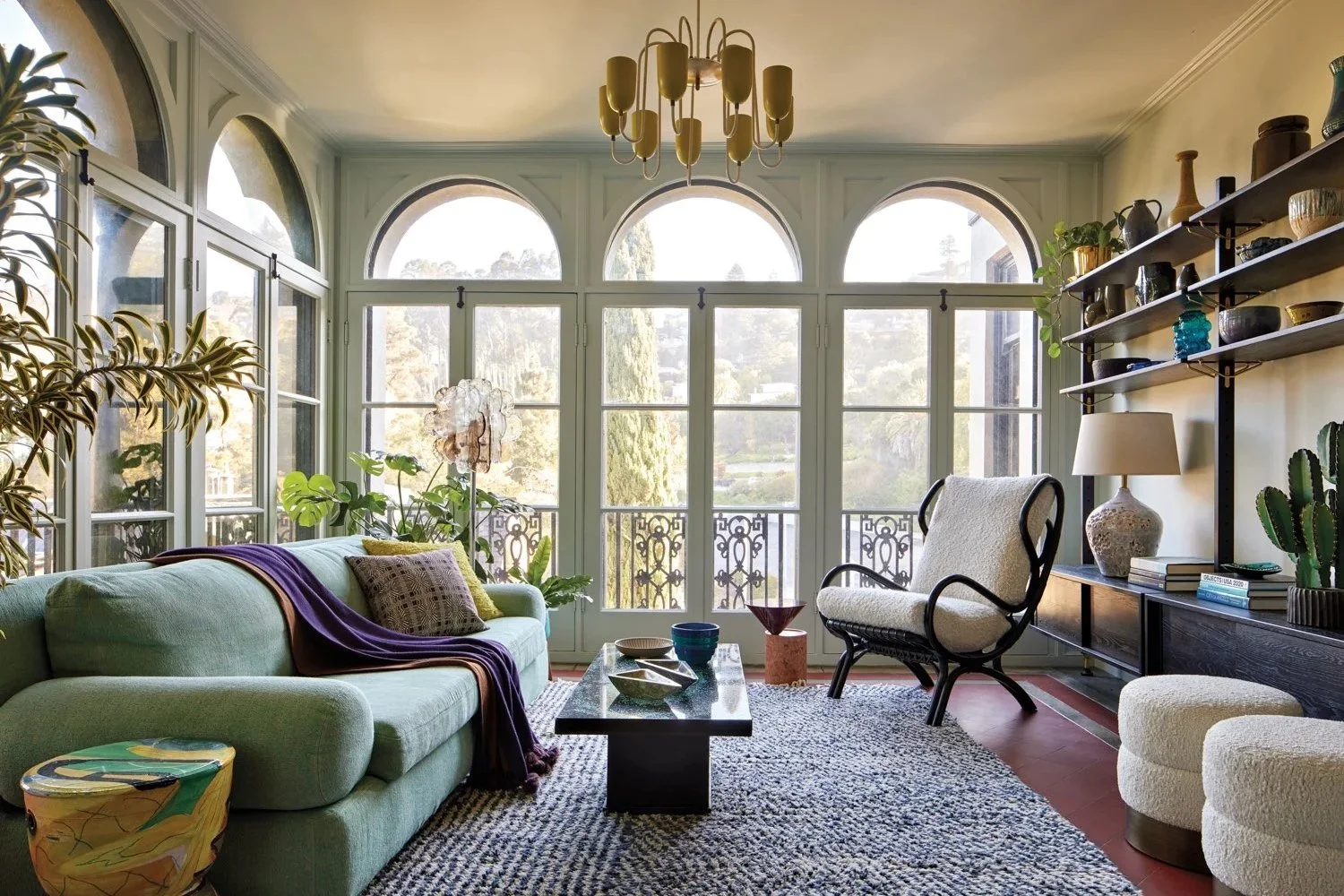
Key Idea: Bring the restorative feel of the outdoors inside.
Indoor-outdoor living is evolving beyond open doors and patios. 2026 emphasizes natural materials, textures, and greenery indoors to mimic the freedom of outdoor spaces.
How to Apply:
Incorporate stone floors, woven rugs, wicker-style furniture, and botanical accents.
Use plants and nature-inspired patterns to add freshness and vitality.
Keep furniture simple and grounded to enhance comfort.
Comfort-Forward Furniture
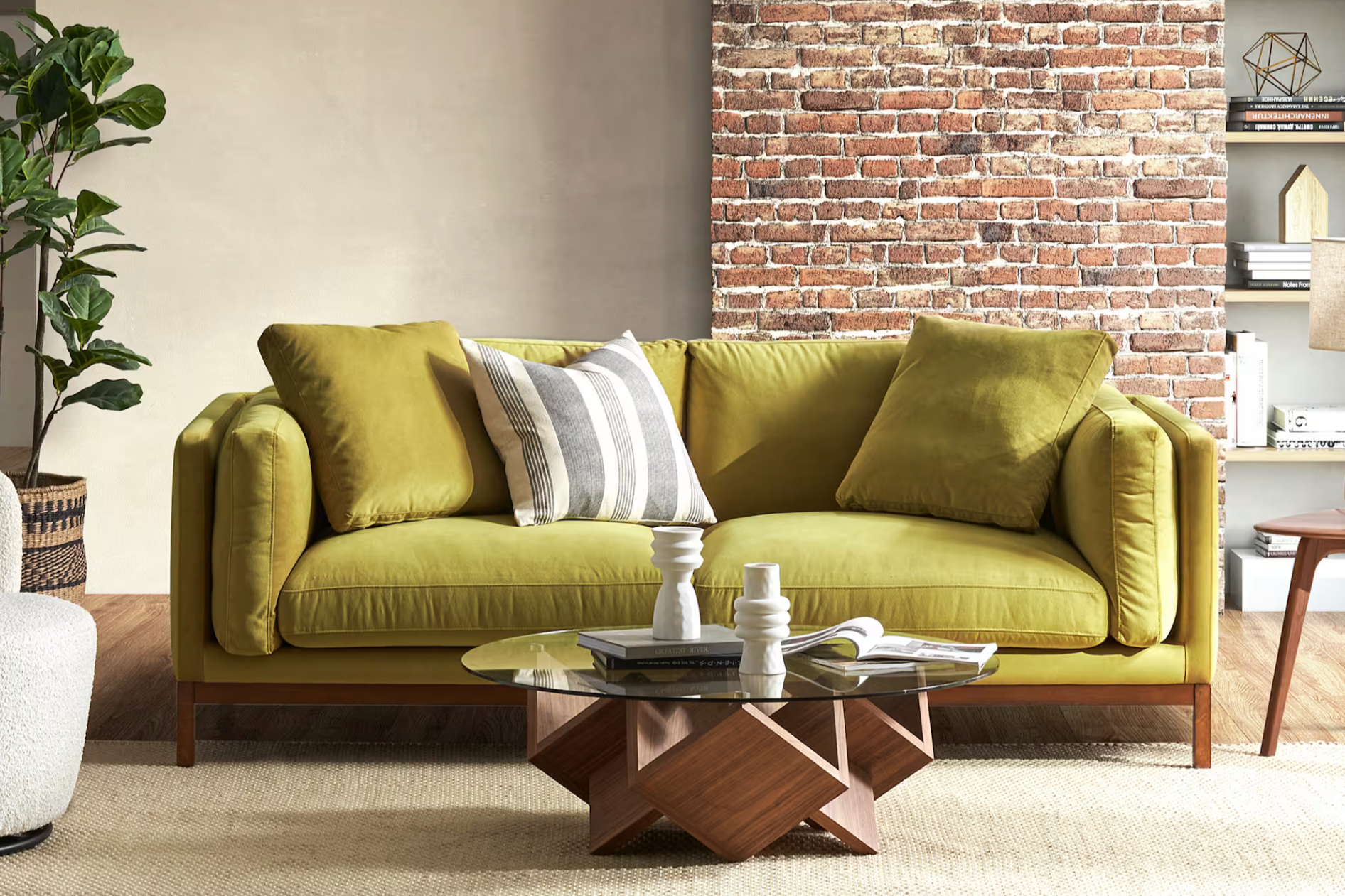
Key Idea: Furniture prioritizes emotional and physical comfort over purely aesthetic appeal.
Deep seating, enveloping silhouettes, and tactile materials create a sense of being held within a space. In the East Bay Area and Tri-Valley, where homes often serve multiple functions (work, play, and recovery) comfort is key.
How to Apply:
Choose velvets, bouclés, and brushed fabrics for upholstery.
Focus on depth and softness rather than size alone.
Ensure balance in the room so comfort-focused pieces harmonize with architecture and art.
Ceilings as the Fifth Wall
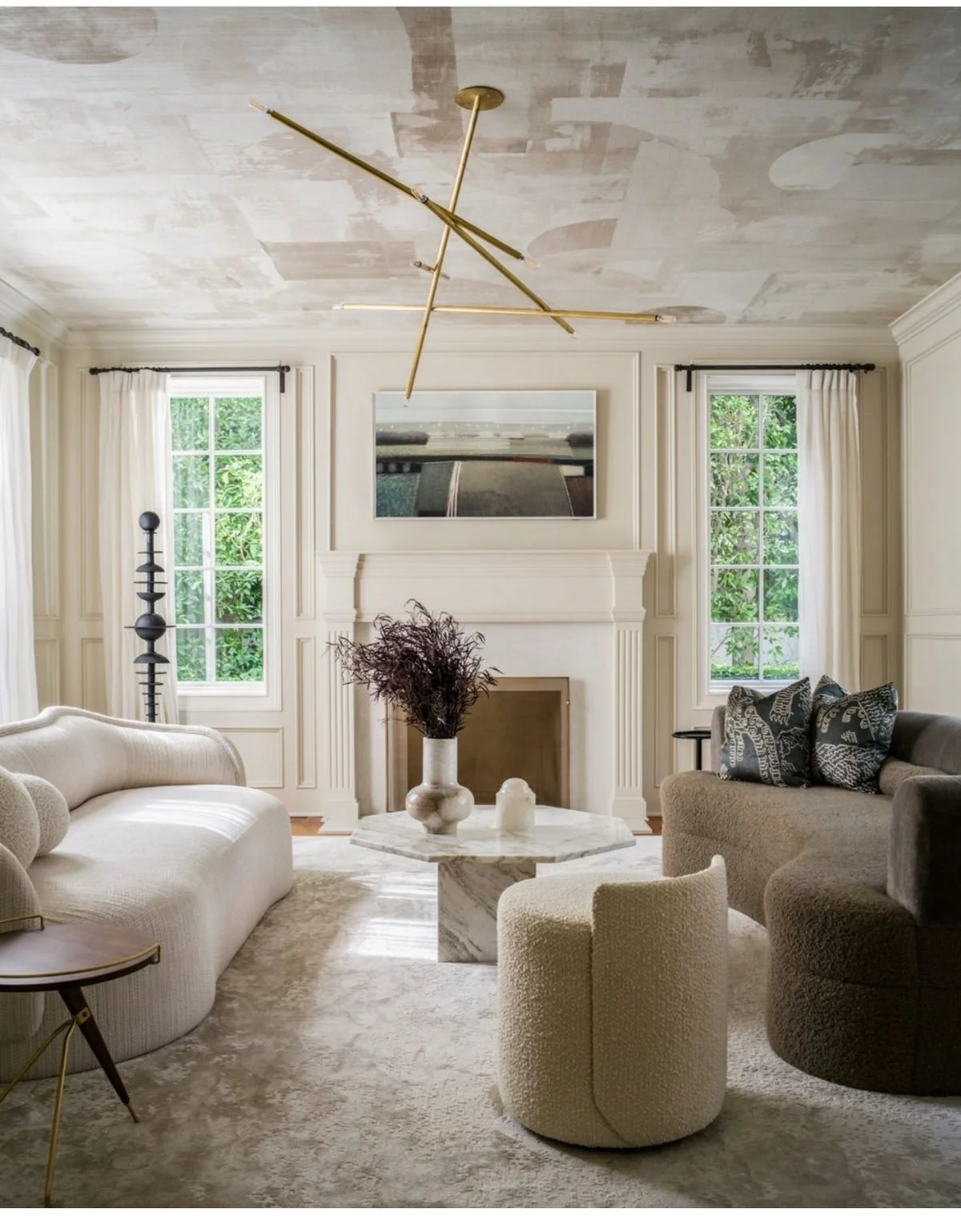
Key Idea: Ceilings are no longer overlooked; they add drama, height, and intentional design.
2026 sees designers using ceilings as design statements through color, texture, or wallpaper, creating an immersive experience that draws the eye upward.
How to Apply:
Paint ceilings a bold or complementary color.
Consider subtle patterns, textured plaster, or wood accents.
Coordinate with the room’s overall palette to create cohesion.
Curves, Sculptural Forms, & Checkerboard Flooring
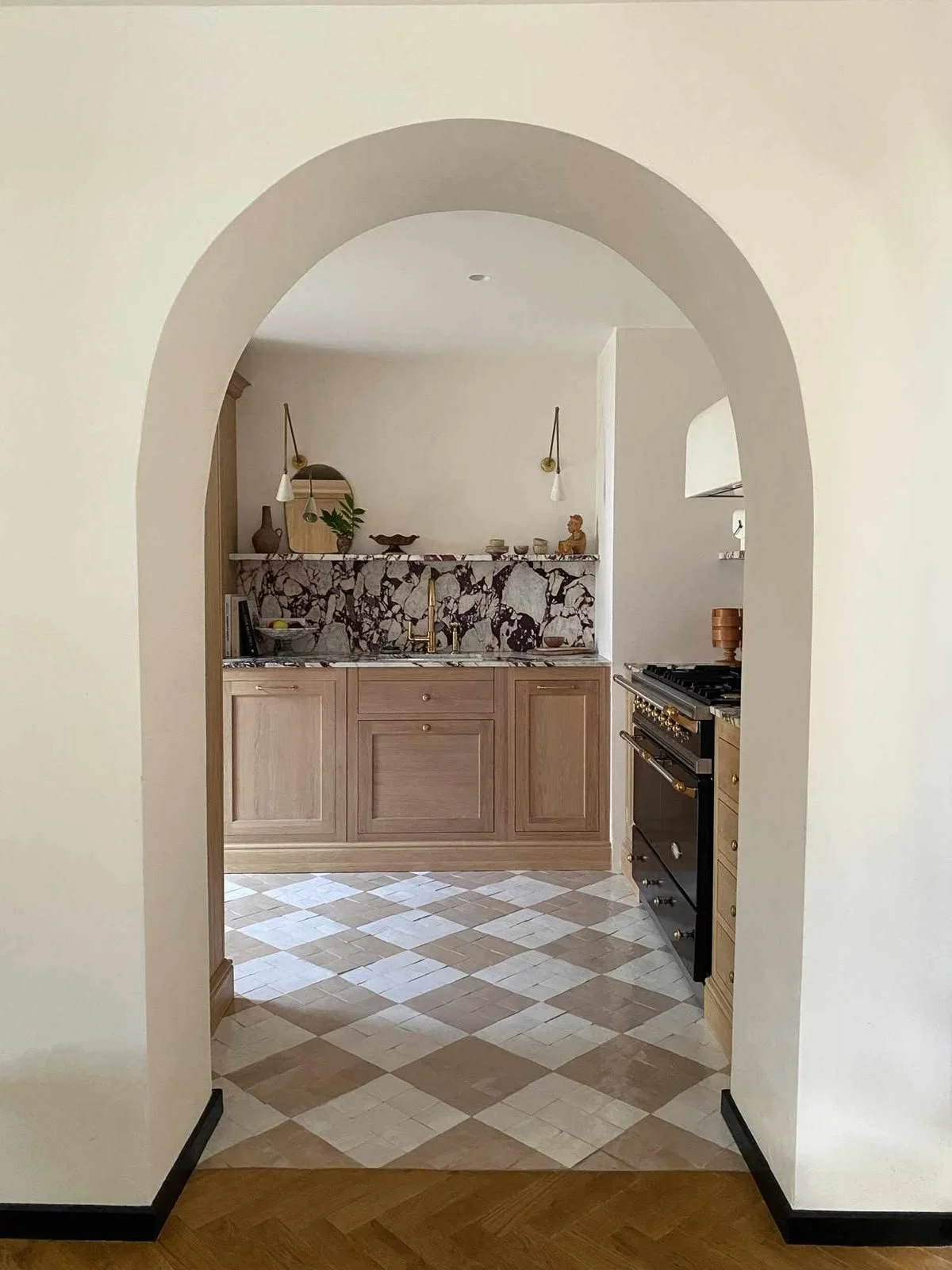
Key Idea: Rounded silhouettes and tactile patterns balance comfort with style.
Curved furniture and sculptural accent pieces soften spaces, while checkerboard floors and aged metals like bronze, brass, and copper add timeless character.
How to Apply:
Use a round coffee table or arched openings to soften angles.
Mix metals with patina for warmth and authenticity.
Incorporate checkerboard tiles in kitchens, bathrooms, or entryways for a bold statement.
Less Open Floor Plans
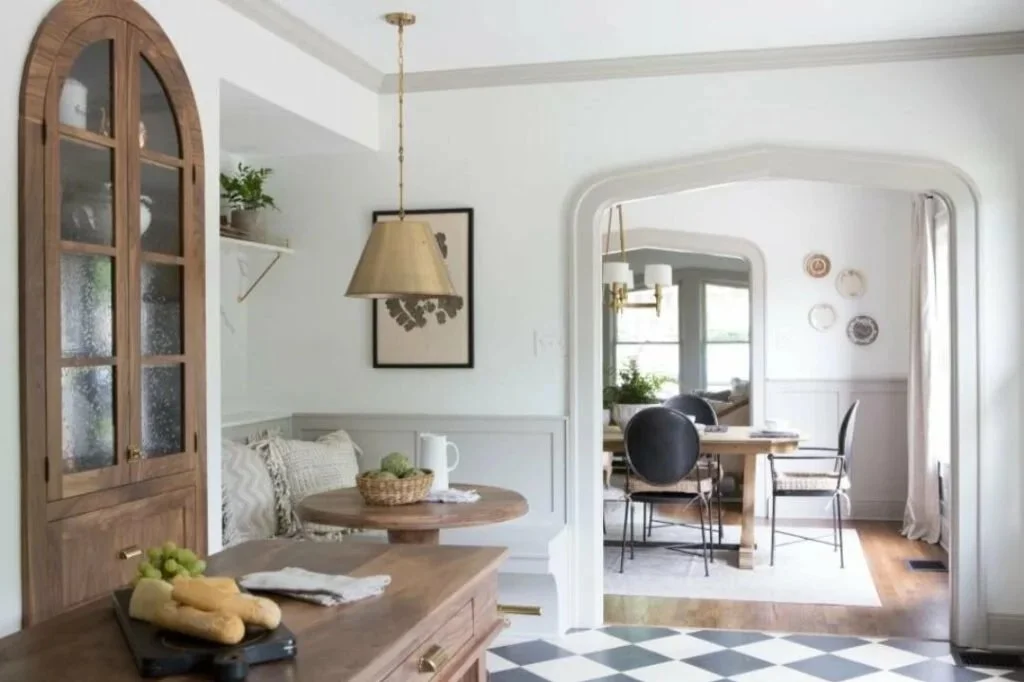
Key Idea: Homes are embracing defined, functional rooms over wide-open layouts.
With more people working from home in the Tri-Valley and East Bay Area, privacy and quiet zones are essential. Closed-off areas provide cozy spaces for focus, relaxation, or family connection.
How to Apply:
Use furniture and partitions to create separation without heavy walls.
Designate rooms for specific purposes, like home offices, reading nooks, or art studios.
Balance openness in communal spaces with intimate private areas.
Retiring Overdone Decor
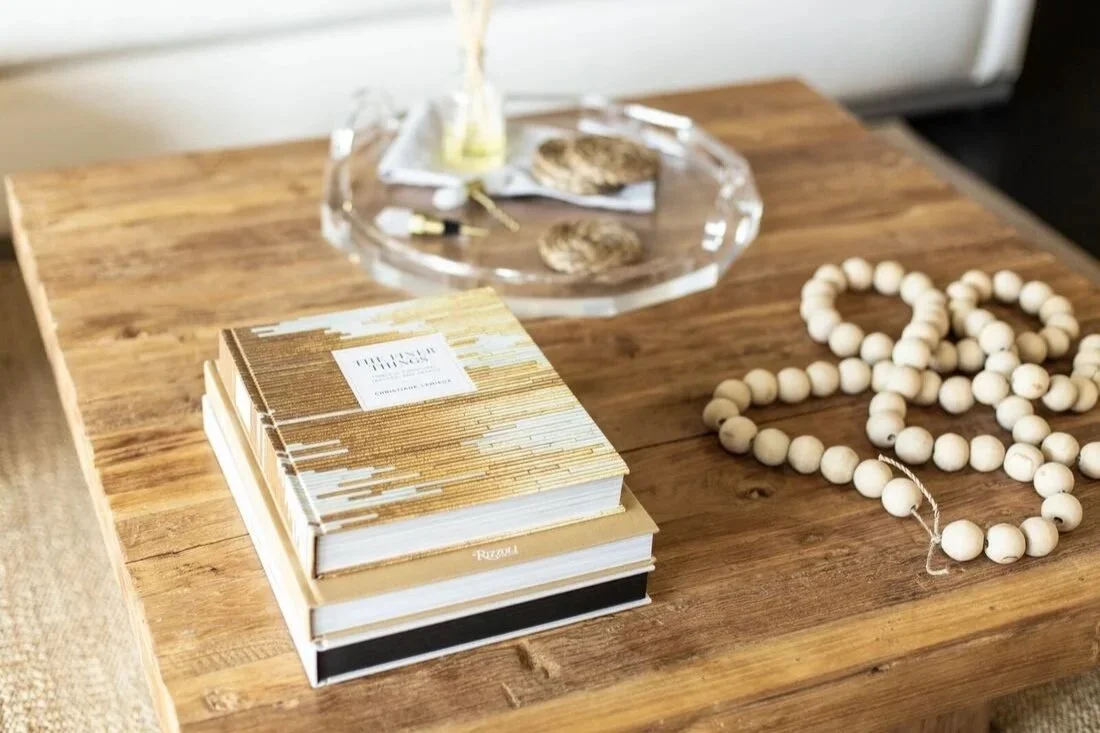
Key Idea: Move away from clichés like faux plants, mass-produced art, and word art.
Designers are emphasizing authentic, purposeful, and personal decor. Overused items (faux plants, generic coffee table books, and decorative beads) are being replaced with meaningful, functional pieces.
Alternatives:
Real plants like pothos or low-maintenance flowers.
One-of-a-kind artwork or vintage finds instead of mass-produced prints.
Functional decor, like marble trays or handcrafted catchalls.
Conclusion
In 2026, East Bay Area and Tri-Valley interiors prioritize emotional resonance, personalization, and functional comfort. From suite-style bedrooms and narrative maximalism to atmospheric color palettes and comfort-forward furniture, design is shifting away from surface-level trends toward homes that support real life.
Whether updating a home in Dublin, Pleasanton, or Livermore, embracing these trends can create spaces that are warm, lived-in, and timeless, reflecting your personality while offering everyday functionality.