Hidden Maintenance Issues That Affect Home Value in the Tri-Valley
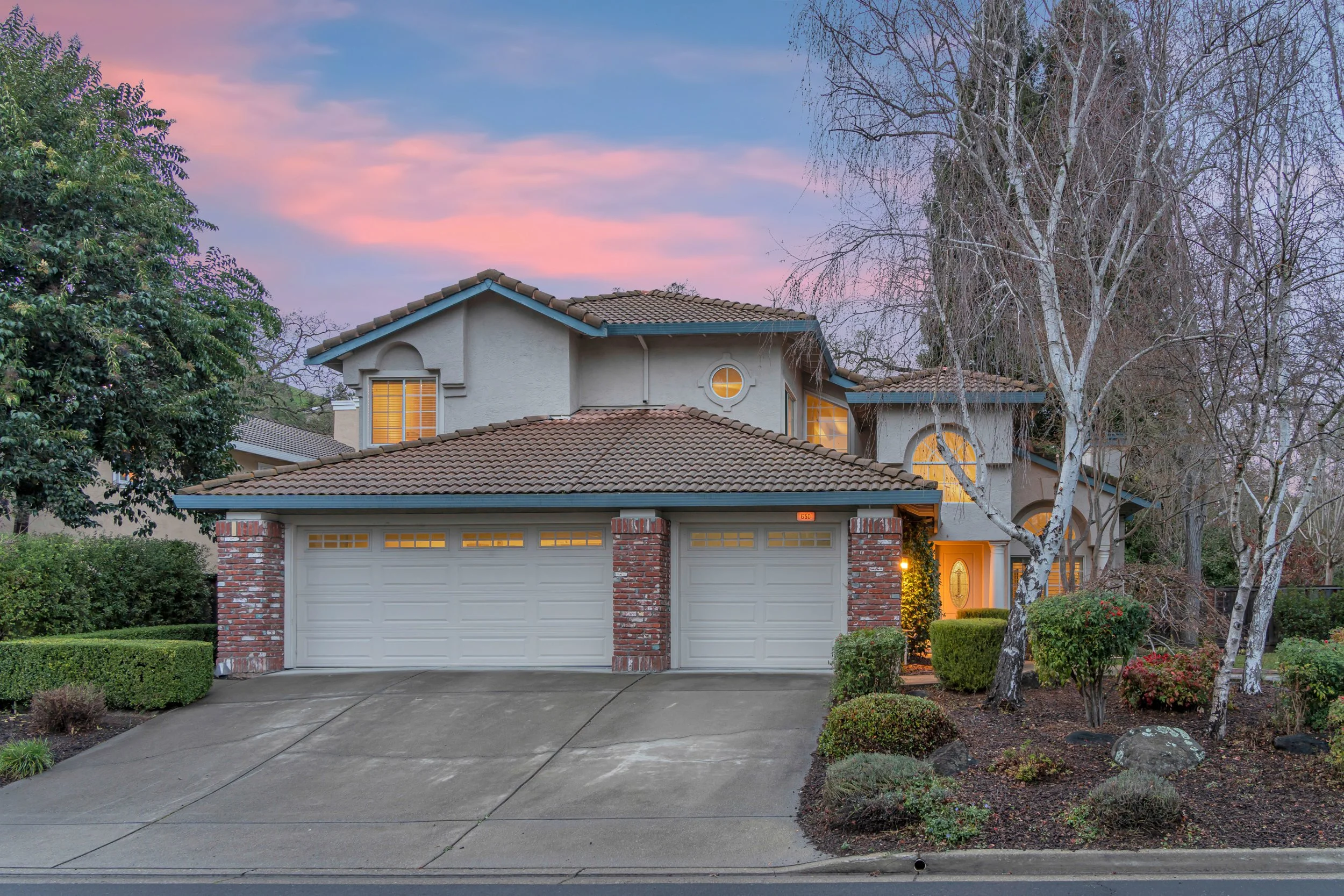
Owning a home in the Tri-Valley, including Pleasanton, Livermore, and Dublin, comes with many perks: excellent schools, vibrant communities, and proximity to the Bay Area. But whether you’re looking to sell your home or simply protect your investment, understanding the hidden maintenance issues that can affect your property’s value is critical. Many problems aren’t immediately visible, yet they can drastically influence the sale price, buyer interest, and long-term comfort of your home.
In this blog post, we’ll explore the most common hidden maintenance issues that can impact your home’s value, why they matter, and how to address them effectively. By staying proactive, Tri-Valley homeowners can safeguard their investment and maintain a home that buyers and neighbors alike will admire.
1. Foundation and Structural Problems
Your home’s foundation is literally what holds everything together, and problems here are both costly and critical. Hidden foundation issues can stem from soil movement, water damage, or age-related wear and tear. Even small cracks or uneven floors can indicate more significant problems lurking beneath the surface.
Signs of Foundation Issues
Cracks in interior walls, particularly over doorways and windows.
Uneven floors or doors that stick.
Exterior cracks along the foundation or brickwork.
Water pooling near the foundation after rain.
Impact on Home Value
Foundation problems can scare off potential buyers. Homes with structural issues are often valued significantly lower, sometimes by tens of thousands of dollars, because buyers anticipate costly repairs.
Local Considerations
Tri-Valley homes built on clay-rich soils or older constructions in Livermore neighborhoods can be particularly susceptible to shifting soils. Seasonal rain can exacerbate minor issues, making early detection crucial.
What to Do
Hire a licensed structural engineer for a comprehensive inspection. Proactive repairs, such as foundation leveling or soil stabilization, can protect your home’s value and make it easier to sell.
2. Roof Damage or Aging
The roof is another critical area where hidden problems can affect home value. Many sellers overlook minor roof issues until an inspection uncovers leaks, missing shingles, or deteriorating underlayment.
Signs of Roof Problems
Missing, curling, or cracked shingles.
Water stains on ceilings or attic walls.
Sagging roof sections or flashing issues.
Mold or moss growth on roof surfaces.
Impact on Home Value
A compromised roof can significantly reduce a home’s market value. Buyers factor in the cost of roof replacement, which can range from $10,000 to $25,000 for a standard Tri-Valley home.
Local Considerations
Tri-Valley homes experience sun exposure that can age roofing materials, and occasional winter rains can worsen small leaks. Homes in Dublin and Pleasanton often have tile roofs, which can crack or dislodge, especially in older neighborhoods.
What to Do
Schedule a professional roof inspection before selling. Minor repairs like replacing shingles or sealing leaks can preserve home value, while a full replacement may be necessary for older roofs.
3. Plumbing and Water Damage Issues
Hidden plumbing problems can silently erode your home’s value. Leaks, corroded pipes, and improper drainage can cause significant structural and aesthetic damage over time.
Common Hidden Plumbing Issues
Leaks under sinks or behind walls.
Rusted or corroded pipes (especially in homes built before the 1980s).
Low water pressure due to buildup in pipes.
Water stains or mold in basements, attics, or crawl spaces.
Impact on Home Value
Water damage can lead to mold, structural compromise, and costly repairs, all of which can deter buyers. In Tri-Valley, homes with chronic plumbing problems often sell for 5–10% less than comparable homes with well-maintained systems.
Local Considerations
Older homes in Pleasanton or Livermore may still have galvanized or polybutylene pipes, which are prone to leaks. Seasonal rain or irrigation overspray can also exacerbate hidden damage.
What to Do
Have a licensed plumber perform a full inspection. Replacing outdated piping, repairing leaks, and ensuring proper drainage will prevent hidden issues from undermining your home’s value.
4. Electrical System Deficiencies
Outdated or improperly installed electrical systems are often overlooked by homeowners but can pose safety hazards and lower a property’s value.
Signs of Electrical Problems
Flickering lights or frequent circuit breaker trips.
Exposed wiring or outdated fuse boxes.
Non-functional outlets or grounding issues.
Burning smells or scorch marks near outlets.
Impact on Home Value
Buyers may negotiate a lower price or require electrical repairs before closing. Homes with substandard electrical systems can see value reductions and may even fail inspections required for sale.
Local Considerations
Many Tri-Valley homes built in the 1960s–1980s still have 60–100 amp electrical panels. Modern homes generally require 200 amps for safety and efficiency, so upgrading may be necessary before selling.
What to Do
Hire a licensed electrician to inspect your system. Upgrading panels, rewiring unsafe outlets, and installing GFCI-protected circuits in kitchens and bathrooms can increase both safety and resale value.
5. HVAC System Wear and Tear
Heating, ventilation, and air conditioning (HVAC) systems quietly impact both comfort and home value. Buyers often pay attention to the age and functionality of these systems.
Common Issues
Inefficient heating or cooling.
Strange noises or odors from the system.
Uneven temperatures across rooms.
Lack of maintenance history or records.
Impact on Home Value
An old or malfunctioning HVAC system can lower offers. Replacing a furnace or air conditioner in the Tri-Valley market can cost $7,000–$15,000, depending on the size of the home.
Local Considerations
Tri-Valley homes experience hot summers and cool winters. A poorly performing system can make a home less appealing, especially to buyers relocating from cooler climates.
What to Do
Schedule HVAC maintenance at least once a year. Consider replacement if the system is older than 15 years or shows signs of inefficiency. Documenting maintenance history also reassures buyers.
6. Pest Infestations
Termites, carpenter ants, and other pests can remain hidden for years, silently damaging wood structures and other materials.
Warning Signs
Hollow-sounding wood or small exit holes.
Piles of sawdust near wooden beams.
Evidence of droppings from rodents or insects.
Cracked or bubbling paint due to moisture from infestation.
Impact on Home Value
Structural damage from pests can be extremely costly. Termite damage alone can lead to a 5–15% reduction in home value, depending on the extent of repairs required.
Local Considerations
The Tri-Valley region, with its warm climate, is prone to termite activity. Homes with mature landscaping or wooden decks are especially at risk.
What to Do
Schedule regular inspections with a licensed pest control company. Treat infestations promptly and repair structural damage to preserve home value.
7. Hidden Mold and Moisture Problems
Mold is a silent value killer. Often invisible to the naked eye, mold can thrive in basements, attics, crawl spaces, and behind walls.
Signs of Hidden Mold
Musty odors in enclosed spaces.
Discoloration or staining on walls, ceilings, or floors.
Health symptoms like allergies or respiratory irritation.
Condensation on windows or poorly ventilated rooms.
Impact on Home Value
Mold remediation can be expensive, ranging from $500 to $6,000 or more, depending on severity. Buyers often request remediation before closing, and homes with a history of mold can sell for less.
Local Considerations
Tri-Valley homes with older construction may lack modern vapor barriers, and rain events can exacerbate moisture infiltration. Crawl spaces, basements, and attic vents should be carefully inspected.
What to Do
Address leaks and improve ventilation. Professional mold inspections and remediation, if necessary, protect your investment and make your home more appealing to buyers.
8. Window and Door Efficiency
Old or poorly installed windows and doors may be hidden trouble spots, leading to energy loss, drafts, and water intrusion.
Common Issues
Drafty rooms or uneven indoor temperatures.
Condensation between double-pane windows.
Sticking doors or misaligned frames.
Water stains on window sills.
Impact on Home Value
Energy inefficiency is increasingly important to buyers, especially in higher-priced Tri-Valley neighborhoods. Upgrading windows can offer a return of 70–80% of the cost in added value.
Local Considerations
Older homes in Pleasanton and Dublin often feature single-pane windows, which can be replaced with energy-efficient double-pane options to attract buyers.
What to Do
Seal leaks, repair frames, and consider replacing outdated windows and doors. Energy-efficient upgrades improve comfort and resale appeal.
9. Flooring Problems
While often considered aesthetic, flooring issues can indicate deeper problems like water damage or foundation shifts.
Common Issues
Warped hardwood or buckling laminate.
Cracked or loose tile.
Soft spots in floors due to water or structural damage.
Stains or mold in carpets.
Impact on Home Value
Flooring problems affect both aesthetics and safety. Replacing or repairing flooring increases perceived value and prevents buyers from negotiating lower prices.
Local Considerations
Tri-Valley homes in older neighborhoods may have hardwood under carpeting or outdated tile in kitchens and bathrooms. Updating or refinishing floors can be a relatively low-cost way to boost appeal.
What to Do
Inspect for hidden damage under carpets or tile. Refinish hardwood, replace damaged sections, or install modern flooring that complements your home’s style.
10. Landscaping and Drainage Issues
Outdoor maintenance may seem cosmetic, but drainage and landscaping problems can have serious implications for property value.
Common Issues
Poor grading leading to water pooling near the foundation.
Dead or overgrown plants.
Cracked or uneven patios and walkways.
Erosion near slopes or retaining walls.
Impact on Home Value
Water intrusion due to poor drainage can damage foundations and landscaping. First impressions matter too, overgrown or damaged yards can reduce curb appeal and perceived value.
Local Considerations
Tri-Valley properties often feature sloped yards and irrigation systems. Ensuring proper drainage and healthy landscaping is especially important to avoid water damage during seasonal rains.
What to Do
Grade your yard properly, repair irrigation systems, and maintain healthy landscaping. Consider xeriscaping for drought-resistant appeal, especially during California’s dry seasons.
11. Hidden Safety Hazards
Some maintenance issues are less about appearance and more about safety. These hidden hazards can impact both your family and home value.
Common Safety Hazards
Loose or rotting stairs and railings.
Broken garage door openers or faulty sensors.
Toxic paint or materials (like lead or asbestos in older homes).
Carbon monoxide or smoke detector issues.
Impact on Home Value
Homes with safety concerns can fail inspections or deter buyers, reducing offers or requiring immediate repairs before closing.
Local Considerations
Many Tri-Valley homes built before 1978 may contain lead paint or older building materials. Ensuring safety compliance protects both occupants and value.
What to Do
Conduct a safety audit and address issues proactively. Updating detectors, securing railings, and remediating hazardous materials are worth the investment.
12. Maintenance Documentation and History
Even if your home is in perfect shape, failing to provide documentation for repairs, upgrades, and routine maintenance can affect value.
Why Documentation Matters
Buyers feel more confident in purchasing a well-maintained home.
Shows proof of recent upgrades (roof, HVAC, plumbing, etc.).
Supports asking price during negotiations.
Local Considerations
Tri-Valley buyers are savvy and often expect a thorough history of home care. Providing records for recent inspections, repairs, and HOA updates can streamline the selling process.
What to Do
Maintain a folder with receipts, inspection reports, and warranties. Sharing this with prospective buyers enhances transparency and reinforces home value.
Conclusion: Protecting Your Tri-Valley Home Value
Hidden maintenance issues (from foundation problems and roof damage to outdated electrical systems and water damage) can silently erode your home’s value if left unaddressed. For homeowners in Pleasanton, Livermore, and Dublin, being proactive about these hidden concerns ensures your property stays competitive in the local market.
Key Takeaways for Tri-Valley Homeowners:
Schedule professional inspections for roofs, plumbing, electrical, and HVAC systems.
Address structural and foundation concerns before they escalate.
Keep detailed maintenance records for transparency.
Maintain energy efficiency and curb appeal through windows, doors, and landscaping.
Prioritize safety and pest prevention to avoid costly surprises.
By staying ahead of these hidden maintenance issues, you protect not only your home’s value but also the comfort, safety, and peace of mind of everyone living there. Whether planning to sell soon or simply maintaining your investment, small, proactive steps today can prevent major losses tomorrow.
Thinking about selling your Tri-Valley home?
Connect with a local expert who knows how to identify hidden maintenance issues that buyers notice. A well-prepared home can sell faster and at top dollar in Pleasanton, Livermore, or Dublin.
We also have a network of trusted local vendors and professionals (including contractors, inspectors, plumbers, electricians, and more) who can help address these hidden maintenance issues. Please inquire if you’d like referrals to these trusted experts.
More Blogs You Might Find Interesting
Why Katie Moe is Considered the Best Realtor in Pleasanton and the Tri-Valley | Link
The Most Common Questions About Selling Your Home in the East Bay Area | Link
California Proposition 19: What It Means for Pleasanton Homeowners | Link
The Ultimate Spring Cleaning Guide for the Tri-Valley | Link
Thinking of Selling a Home in the Tri-Valley? What Every Homeowner Needs to Know Before Listing | Link